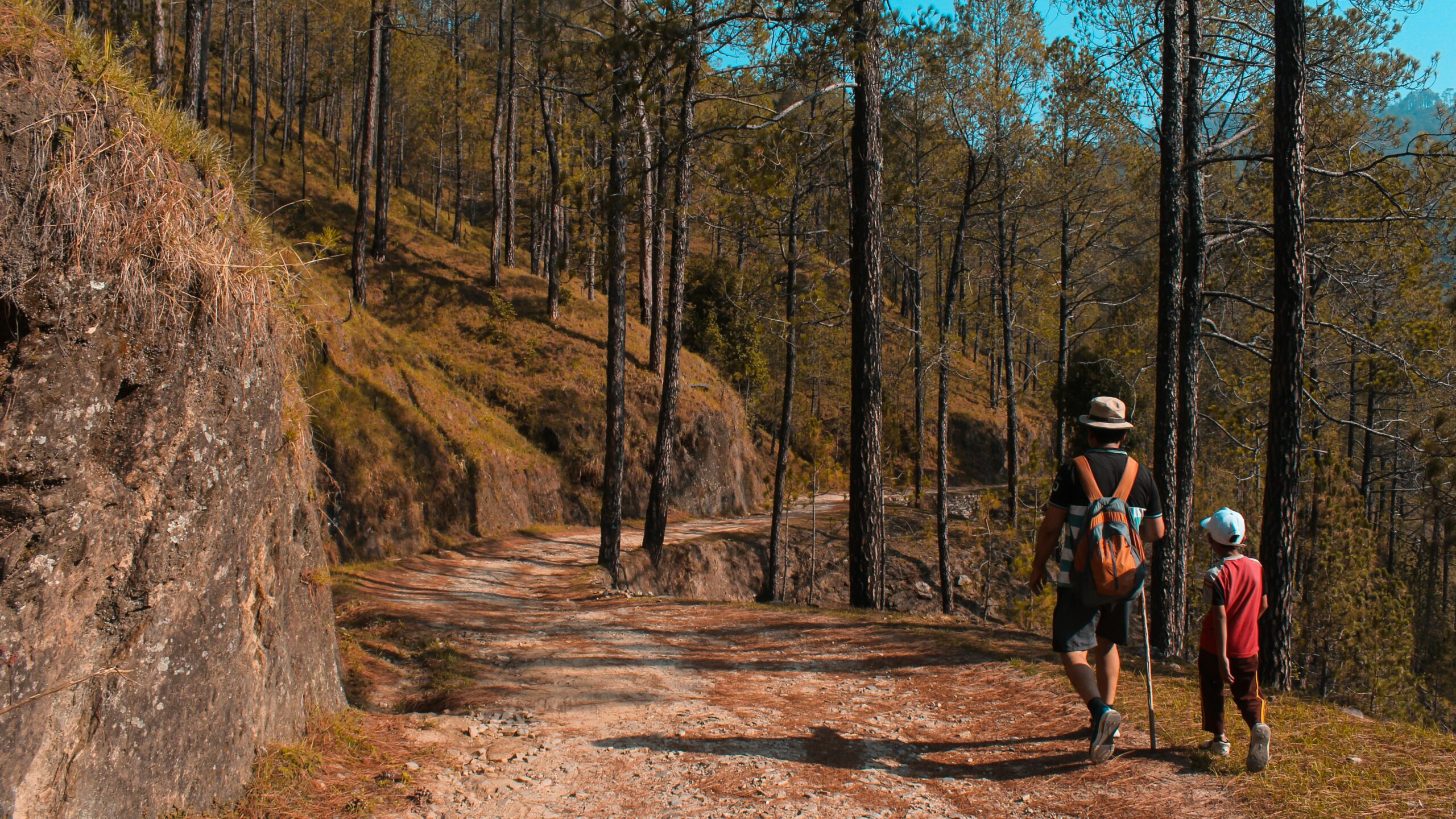
Family travel isn’t just about sightseeing and selfies. It’s one of the richest forms of education kids can experience. Exploring new cultures, foods, and environments helps children see the world beyond their usual classroom. But long trips can also make parents worry about falling behind academically.
The good news? With the right approach, travel can be both fun and educational. From geography lessons on the go to digital learning tools, there are plenty of ways to keep young minds active without making vacation feel like school.
Learning Doesn’t Stop When You Leave Home
Children are natural learners. Every new place you visit offers a lesson whether it’s history, language, art, or science. Climbing sand dunes becomes a geography class. Visiting a local market introduces math (and bargaining skills). Even navigating airports teaches patience and problem-solving.
According to the U.S. Travel Association, traveling as a family can boost kids’ independence, confidence, and adaptability, with 74% of parents saying travel helps their children become more open-minded.
In other words, hitting the road might just be the best classroom you’ll ever find.
Turn Memories into Creative Learning Projects
Once you’re home or even while you’re still traveling, you can turn your experiences into fun, hands-on learning projects.
A great idea is to create a family photo journal or travel scrapbook using Mixbook. Kids can help choose photos, write short captions, and decorate pages. It’s an engaging way to practice writing, storytelling, and organization while preserving memories at the same time.
Other creative options include:
- Designing a digital map of the places you’ve visited.
- Creating a short video documentary or vlog.
- Writing “postcards” to friends or family describing what they’ve learned.
These projects not only reinforce learning but also give kids a sense of pride in what they’ve experienced.
Combine Exploration with Simple Learning Moments
One of the best parts of travel learning is how organic it can be. You don’t need a formal schedule or worksheets, just curiosity and creativity.
Here are a few easy ways to make every day of your trip a learning experience:
- Ask questions: Encourage your kids to observe and wonder. Why do people here eat different foods? How do animals survive in this climate?
- Keep a travel journal: Let them write short notes or sketch what they see. For younger kids, a drawing pad works wonders.
- Use maps: Have your child trace your route each day to understand geography and distance.
- Practice budgeting: Give older kids a small amount of spending money and let them make decisions on souvenirs or snacks.
- Learn local words: Even picking up a few greetings in another language builds cultural respect and memory skills.
These activities make learning part of the adventure, rather than an obligation.
Bringing Education Along for the Ride
Even with the best intentions, it’s easy for structured learning to slip during long trips especially for kids in school. That’s where tools like online tutoring come in handy.
Online tutoring platforms allow students to keep up with lessons no matter where they are in the world. Whether you’re exploring the Serengeti or relaxing by the coast, kids can log in for short, focused sessions that align with their school curriculum. It’s flexible, portable, and helps maintain consistency in subjects like math, reading, or science.
For homeschooling families, online tutors also provide valuable structure while still allowing for the freedom that travel offers.
Keep Routines Flexible but Consistent
Children thrive on routine, and while travel inevitably disrupts normal schedules, a little consistency helps. Try setting aside a short “quiet learning” block each morning or evening for reading, journaling, or reviewing online lessons.
You can even make travel days educational. Use long flights or car rides as opportunities for audiobooks, documentaries, or storytelling games. The key is balance. Keeping learning natural and relaxed while leaving plenty of room for exploration and play.
The Bigger Picture: Learning Beyond the Classroom
Travel teaches lessons no textbook can like how to adapt, communicate, and appreciate differences. It builds emotional intelligence, problem-solving skills, and cultural awareness in a way that no worksheet ever could.
By blending real-world exploration with flexible tools like online tutoring and creative outlets like Mixbook, parents can ensure that learning never stops, it simply shifts into a more meaningful, hands-on form.
Final Thoughts
Traveling with kids is one of the most rewarding ways to learn together. It broadens horizons, deepens understanding, and creates stories your family will share for a lifetime.
So the next time you plan a family trip, don’t worry about pressing pause on learning, embrace it. With open minds, a little curiosity, and a few creative tools, the world becomes your classroom.
Image: Pexels, Yogendra Singh