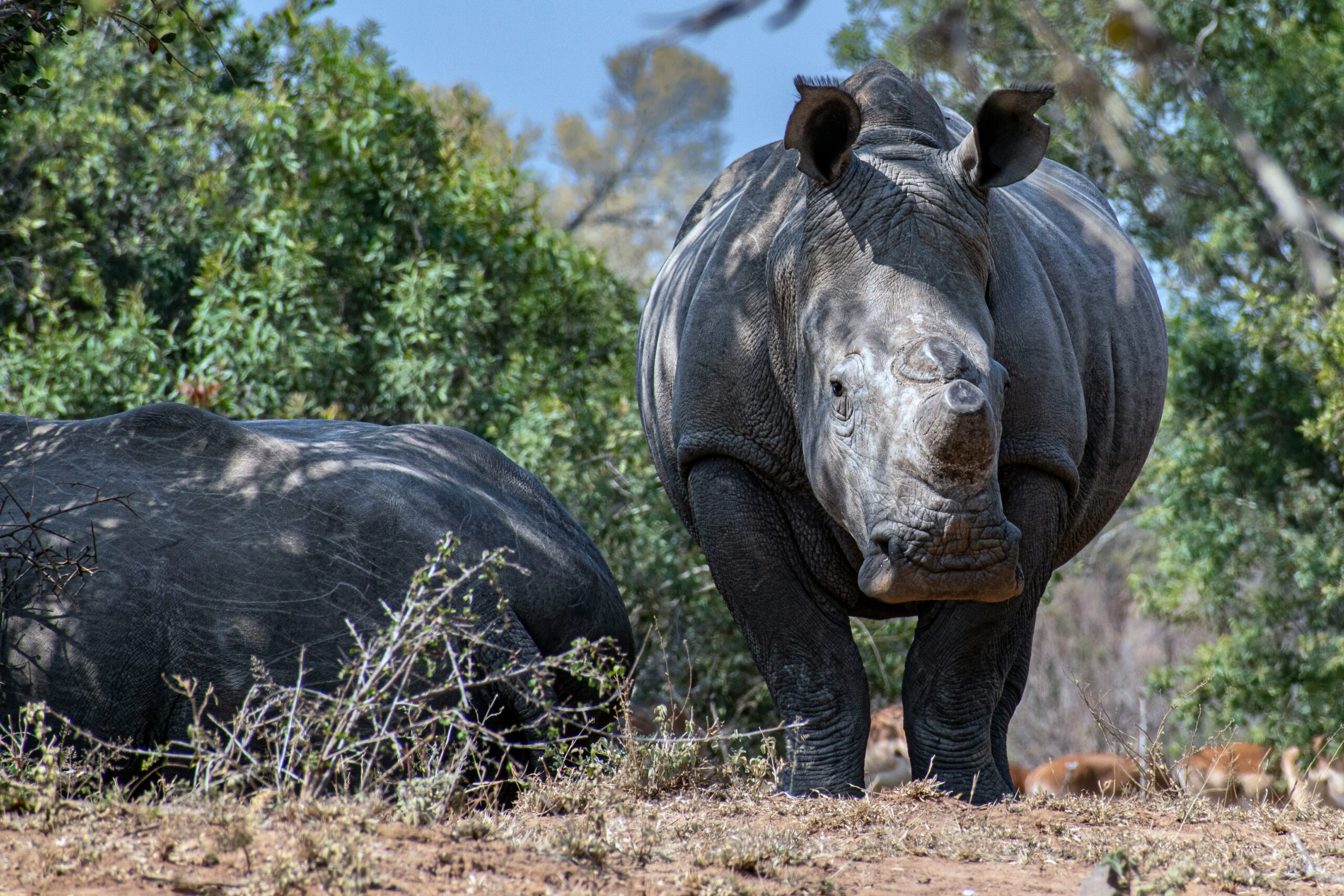
On World Rhino Day, September 22, 2025, the SAFARI FRANK team witnessed a procedure in the Greater Kruger National Park that was as swift and precise as it was profoundly moving: the dehorning of a rhino. While the thought of removing a rhino’s horn is unsettling, the relentless threat of poaching makes it one of the most effective tools available to keep these magnificent animals alive. It is a drastic measure for desperate times, performed not to harm the animal, but to save it.
Why Rhino Dehorning is a Necessary Intervention
The demand for rhino horn, despite international bans, continues to fuel sophisticated criminal networks. The cost is measured in lives. In the first half of 2025 alone, 195 rhinos were killed by poachers in South Africa. Since 2020, the Greater Kruger region has lost at least 400 rhinos annually to this crisis. These numbers represent a persistent threat that requires direct and impactful action on the ground.
Dehorning addresses the crisis by removing the very prize poachers seek. The procedure is painless and conducted under veterinary supervision. An experienced vet tranquilizes the rhino, and the horn is removed just above the growth plate, a process much like trimming a fingernail. The area is treated, and within 20 minutes of being darted, the rhino is back on its feet. Because the horn regrows at approximately six centimeters a year, the process must be repeated every 18 months to remain an effective deterrent. By taking away the horn, conservationists give the rhino a chance to live and breed, securing its future one animal at a time.
Conservation in Action: A Coordinated Effort
The operation was a masterclass in coordination and expertise. It began with a fixed-wing aircraft and a helicopter working in tandem to locate a rhino and guide it into open terrain. Once in position, wildlife veterinarian Dr. Ben Muller administered a tranquilizer dart from the air. Helicopter pilot Gerry McDonald of Big Game Heli Services highlighted the precision required, as wind and terrain can complicate the shot, and the animal must go down in a safe position for the ground crew.
As soon as the rhino was sedated, the ground team moved in. Dr. Muller monitored its breathing and supplied oxygen while rangers secured the perimeter. The entire process is a race against the clock, with the animal’s welfare as the top priority. In the short time the rhino was immobilized, the team worked quickly:
- DNA samples were collected to support law enforcement databases.
- A microchip was fitted for identification and tracking.
- The horn was carefully removed with a saw.
- The stump was treated to prevent infection.
Dr. Muller explained that the rhino feels no pain during the removal. Once the tasks were complete, a reversal drug was administered, and minutes later, the rhino was awake and safely moving off into the bush. Conservation Manager Francois Retief noted that this was a follow-up procedure for this specific rhino, underscoring the ongoing nature of this vital work. He also stressed that without partners, the high cost of these operations would make them impossible for many reserves to sustain.
A Mission-Driven Contribution to Wildlife Protection
Supporting these frontline efforts is central to the SAFARI FRANK mission. For this operation, SAFARI FRANK contributed R150,000 toward the dehorning and an additional R150,000 for essential equipment for the K9 anti-poaching unit and ranger training teams. CEO Johan Steenhuisen emphasized that while dehorning is a direct and effective way to protect rhinos, the broader needs of conservation teams, including safety gear and GPS collars, are just as important.
For Frank Steenhuisen, Co-founder and lead safari expert at SAFARI FRANK, the experience was a powerful affirmation of the company’s purpose. “As a trained guide, seeing a rhino without its horn is an emotional experience,” he reflected. “But knowing that this sacrifice is what will keep the animal alive makes it entirely worth it. This operation is a clear reminder of why we started SAFARI FRANK, to ensure that safaris are a genuine force for good.” This commitment is woven into every journey, connecting travelers to the heart of African conservation.
The Inseparable Link Between Tourism and Conservation
Dehorning is a critical tool, but it does not exist in a vacuum. It buys precious time to strengthen anti-poaching units, stabilize rhino populations, and address the root causes of poaching. This work is expensive, and sustainable funding is one of the greatest challenges. As organizations like the Southern African Wildlife College attest, successful conservation is built on partnership, bringing together the resources of many to achieve a common goal.
This is where responsible tourism becomes a powerful ally. Frank Steenhuisen believes the connection is simple: “Without conservation, there will be no wildlife left for anyone to see, and without tourism, there will not be enough funds to protect it.” Travelers are increasingly seeking safaris with purpose, a trend SAFARI FRANK actively champions. Every guest journey includes a conservation levy that directly funds projects like rhino dehorning and ranger support. When you travel to incredible destinations like the Greater Kruger National Park for a 7-Night Cape Town & Kruger 5-Star Safari, you become part of this story. Your visit to lodges such as Ngala Safari Lodge or Tulela, a Place of Peace, contributes directly to protecting Africa’s wild heritage. Together, we are helping to secure a future for these iconic animals, one rhino at a time.
About Frank Steenhuisen
Frank is the lead safari expert at specialists in exclusive safari adventures SAFARI FRANK, helping travelers experience Africa’s wildlife safely and sustainably. Learn more at SAFARI FRANK.
Image: Yogendra Negi, Unsplash (Greater Kruger )